
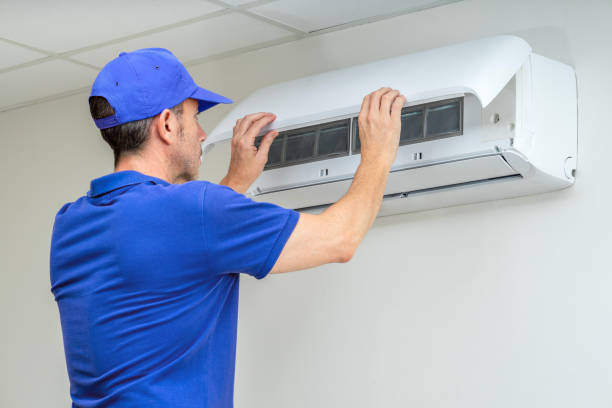
When it comes to managing your heating, ventilation, and air conditioning (HVAC) system, securing the services of a reliable contractor is essential. Whether you’re installing a new system, replacing outdated equipment, or performing routine maintenance, choosing the right HVAC professional ensures efficiency, quality workmanship, and long-term savings. Here’s what you need to know when selecting an HVAC contractor for your needs.
Key Factors to Consider When Choosing an Orlando Air Conditioning Repair Service
Selecting the best HVAC contractor requires careful evaluation.
- Licensing and Certification: Always verify that a contractor holds all necessary licenses and certifications within your state or region. This ensures they meet industry standards and are legally qualified to perform HVAC work. Look for certifications from organizations such as NATE (North American Technician Excellence).
- Experience: Contractors with years of experience often have a deeper understanding of complex systems and potential challenges. Check how long they’ve been in business and whether they specialize in the type of service you require (e. g. , residential vs. commercial systems).
- References and Reviews: Ask for references from previous clients or browse online reviews on trusted platforms like Google or Yelp. Consistently positive feedback indicates reliability and professionalism.
- Insurance Coverage: Ensure your contractor has liability insurance and worker’s compensation coverage. These protect you in case of accidents or damages during the project.
- Written Estimates: Reputable contractors provide detailed written estimates before starting any work. Compare quotes from multiple providers but be cautious about choosing solely based on price—quality should always take precedence.
Questions to Ask an HVAC Contractor
- What brands of equipment do you work with or recommend?
- Are there warranties available on parts and labor?
- Can you provide a full explanation of your pricing structure?
- Do you offer maintenance plans after installation or repair services?
- Are there energy-efficient options suitable for my home or business?
Warning Signs of Subpar Contractors
Avoiding unreliable contractors is just as important as finding the right one.
| Warning Sign | Why It’s Problematic |
| Lack of Licensing | Indicates noncompliance with local laws or insufficient training |
| No Written Contract | Suggests lack of accountability |
| Requests for Full Payment Upfront | Could signal financial instability |
| Poor Communication | May lead to misunderstandings about project details |
| Generic Recommendations | Shows lack of attention to your specific needs |
Benefits of Hiring a Professional HVAC Contractor
Partnering with a skilled HVAC professional offers numerous advantages: – Proper Installation: Ensures equipment operates efficiently without unnecessary wear-and-tear.
Energy Savings: A trained technician can recommend systems designed for optimal energy performance.
Improved Air Quality: Professionals often provide additional insights into improving indoor air quality through filters, humidifiers, or other solutions.
Comprehensive Maintenance Plans: Regular servicing reduces breakdowns while extending system lifespan.
By following these guidelines and conducting thorough research, you can select an experienced contractor who aligns with your needs while delivering excellent results.
Choosing the Right AC Repair Company Orlando FL for Expert Installation and Repairs
Expertise in Diagnosing Problems
A skilled HVAC contractor possesses extensive training and experience to accurately identify issues within your system. This expertise eliminates guesswork and ensures that the root cause of any problem is addressed rather than applying temporary fixes.
Common areas where professionals excel:
– Detecting refrigerant leaks.
– Testing air pressure imbalances in ductwork.
– Identifying electrical system problems within the unit.
– Diagnosing thermostat malfunctions.
By relying on their knowledge, you save time and money while avoiding further damage to your system.
Proper Installation Practices
Incorrect installation can lead to inefficiencies, higher energy costs, and even safety hazards.
- Correct sizing of the HVAC unit based on your home’s needs (calculated using load calculations).
- Proper sealing of ductwork to prevent air leakage.
- Safe electrical wiring connections compliant with local codes.
- Calibration of thermostats for energy-efficient operation.
Ensuring that everything is done correctly from the beginning not only improves performance but also reduces the likelihood of costly repairs down the line.
Access to Advanced Tools and Technology
Professional contractors have access to specialized tools and diagnostic equipment that help them efficiently service HVAC units.
- Measure airflow rates accurately.
- Detect hidden mechanical faults in components such as compressors or fans.
- Perform refrigerant level testing with precision.
Having such resources ensures repairs or installations are completed swiftly without compromising on quality.
| Task | DIY Effort | Professional Expertise |
| Sizing HVAC systems | High risk | Accurate calculations |
| Electrical component setup | Potentially unsafe | Code-compliant connections |
| Diagnosing complex issues | Time-consuming | Quick identification |
Ensures Regulatory Compliance
Many regions have specific safety regulations or building codes concerning HVAC systems.
- Adhering to environmental standards for handling refrigerants.
- Meeting minimum efficiency standards (SEER ratings).
- Installing carbon monoxide detectors where needed for furnace systems.
Neglecting these regulations may result in fines or liability issues if safety problems arise later.
Prolonged System Life Expectancy
With routine maintenance performed by professionals, HVAC systems can last significantly longer than those left unattended or improperly serviced. Technicians provide services like cleaning coils, replacing worn-out parts before they fail completely, and lubricating moving components—all of which contribute toward extending equipment life cycles.
By hiring a skilled contractor for installations and repairs, homeowners benefit from reliable temperature control year-round while reducing energy costs over time due to efficient operations backed by expert care.
Unveiling the Importance of Hiring a Skilled HVAC Contractor for Installation and Repairs
When it comes to maintaining or upgrading your HVAC system, hiring a skilled contractor is essential. A professional HVAC contractor brings expertise, safety measures, and long-term value to your investment. Below, we explore why partnering with an experienced contractor is critical for both installation and repair services.
Expertise in System Evaluation and Design
Skilled HVAC contractors have the knowledge to evaluate your home or business environment thoroughly.
– The size of the space
– Insulation levels
– Existing ductwork
– Local climate conditions
This expertise ensures that your system is properly designed and sized to meet your heating and cooling needs efficiently. Incorrect sizing or poor system design can lead to higher energy costs, uneven temperatures, and frequent repairs.
Proper Installation Techniques
Improper installation can reduce the lifespan of an HVAC system by up to 30%, according to industry studies. Skilled contractors follow best practices for installation, ensuring each component—from duct connections to refrigerant levels—is set up correctly.
1.
2.
3.
Compliance with Safety Standards
HVAC systems involve electrical wiring, refrigerants, and combustion processes that could pose safety risks if mishandled. Licensed contractors are trained on local codes and safety standards, reducing hazards like carbon monoxide leaks or electrical fires.
| Potential Risks Without a Skilled Contractor | Benefits of Hiring a Professional |
| Faulty wiring leading to electrical issues | Properly tested electrical setups |
| Refrigerant leaks causing health risks | Expertise in handling refrigerants |
| Poor airflow due to incorrect ductwork | Optimized airflow throughout space |
Cost Efficiency Over Time
While hiring a skilled contractor may seem like an upfront expense, it can prevent costly errors in the future:
– Poor installations often lead to premature wear-and-tear on components.
– Repairs done by unqualified individuals may fail quickly or worsen issues.
– A professional ensures warranties remain valid by adhering to manufacturer guidelines during installation or repairs.
Additionally, efficient installations contribute directly to lower energy bills over time.
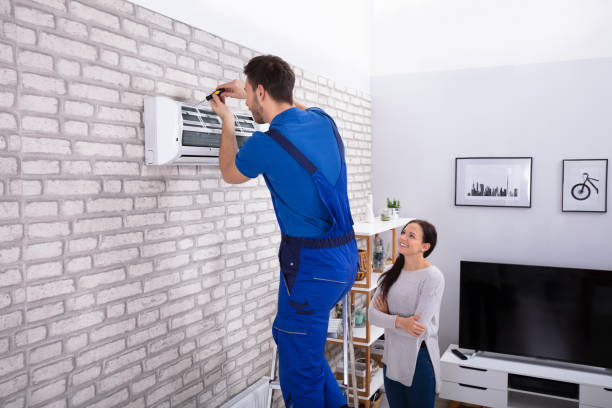
Timely Repairs Done Right
When repairs are needed, choosing a skilled contractor ensures timely diagnosis and resolution of problems without unnecessary expenses. Professionals use advanced tools and diagnostic techniques tailored for modern systems.
Key benefits include:
– Accurate identification of hidden issues (e. g.
– Access to quality replacement parts
– Professional testing post-repair for optimal function
Customized Solutions for Unique Needs
Every property has unique heating and cooling challenges that require tailored solutions. Experienced contractors offer customized recommendations based on specific environmental needs rather than one-size-fits-all fixes.
Hiring a skilled HVAC contractor provides peace of mind while ensuring that your system operates efficiently and safely over its lifespan. Whether you’re installing new equipment or repairing existing systems, working with qualified professionals is always a wise investment in comfort and reliability.
Discover the Benefits of Energy-Efficient Air Conditioning with Orlando, FL HVAC Service
Energy-efficient air conditioning systems have become an essential component of modern homes and businesses. Choosing the right system and ensuring proper installation offers significant long-term benefits, ranging from cost savings to environmental sustainability. Below is a detailed exploration of why energy-efficient air conditioning installation is a smart investment.
1.Lower Energy Bills
Energy-efficient air conditioners consume less electricity compared to traditional systems. This translates into noticeable reductions in monthly utility bills.
- High SEER Ratings: Seasonal Energy Efficiency Ratio (SEER) measures cooling efficiency. Systems with higher SEER ratings provide better performance with lower energy consumption.
- Variable-Speed Compressors: These systems adapt to your cooling needs, avoiding the constant on-and-off cycling that wastes energy.
2.Reduced Environmental Impact
Modern HVAC systems are designed to minimize carbon emissions by using eco-friendly refrigerants and consuming less electricity. Over time, this helps reduce your household or business’s carbon footprint.
- Use of R-410A refrigerant reduces ozone depletion.
- Reduced reliance on fossil fuels for electricity generation.
3.Improved Indoor Comfort
Energy-efficient units offer consistent cooling performance, maintaining comfortable indoor temperatures even during extreme heat.
- Humidity control features.
- Enhanced airflow distribution technologies.
This ensures that every corner of your space receives adequate cooling without temperature fluctuations.
Long-Term Advantages of Proper Installation
Proper installation plays a critical role in maximizing the benefits of energy-efficient air conditioners.
1.Optimized System Performance
Proper installation ensures that all components are functioning as intended, which leads to enhanced efficiency and durability.
- Correct sizing based on load calculations prevents overworking or underutilizing the system.
- Proper refrigerant levels maintain optimal cooling capacity.
| Issue with Poor Installation | Consequence |
| Incorrect Sizing | Higher energy use, uneven cooling |
| Inadequate Duct Sealing | Air leaks leading to inefficiency |
| Improper Calibration | Reduced lifespan and frequent repairs |
2.Minimized Repairs and Maintenance Costs
When installed correctly by a skilled HVAC technician, there is less chance of frequent breakdowns or malfunctions, saving you money on repair services over time.
3.Extended System Lifespan
Energy-efficient air conditioning units installed by professionals tend to last longer because they operate within the manufacturer’s specified parameters, leading to reduced wear and tear on critical components like compressors and fans.
Tips for Maximizing Efficiency Post-Installation
- Schedule regular maintenance checks twice a year.
- Replace air filters every three months or as needed.
- Seal windows and doors to prevent cool air from escaping.
- Use programmable thermostats for better temperature control during off-hours.
Investing in an energy-efficient air conditioning system paired with expert installation offers not only immediate comfort but also substantial financial savings and environmental benefits over time. By understanding these advantages, homeowners can make informed decisions for their HVAC needs while contributing toward a greener future.
Finding the Best HVAC Company Orlando Offers for Modern Systems and Savings
Modern HVAC systems are designed with advanced features to provide more than just comfort. They offer financial flexibility and significant cost savings by improving energy efficiency, reducing maintenance needs, and increasing long-term reliability. Whether you’re upgrading an old system or installing a new one, understanding the financial benefits of modern HVAC solutions is key to making informed decisions.
Energy Efficiency Equals Lower Utility Bills
One of the biggest advantages of modern HVAC systems is their focus on energy efficiency. These systems are built to consume less energy while maintaining optimal performance.
- Higher SEER Ratings: Seasonal Energy Efficiency Ratio (SEER) ratings measure an air conditioner’s efficiency. Modern units often come with SEER ratings of 14 or higher, which means they use significantly less electricity compared to older models.
- Smart Thermostats: Many new systems are compatible with programmable or smart thermostats, allowing you to adjust temperatures based on your schedule and reduce unnecessary energy consumption.
- Variable-Speed Technology: Unlike traditional systems that operate at full power or not at all, variable-speed motors allow HVAC units to run at different speeds depending on demand. This reduces energy wastage.
Investing in a high-efficiency system can reduce your monthly utility bills substantially over time.
Reduced Maintenance and Repair Costs
Modern HVAC systems are engineered for durability and require less frequent maintenance compared to older counterparts.
- Advanced Diagnostics: Many newer models come equipped with diagnostic technology that alerts homeowners or technicians about potential issues before they become major problems.
- Fewer Breakdowns: Improved design and parts mean fewer mechanical failures, which reduces repair expenses.
- Extended Lifespan: With proper care, modern systems often last longer than outdated ones.
These factors contribute to fewer disruptions and lower overall ownership costs.
Financial Incentives for Upgrading
Governments and utility companies often offer incentives for upgrading to energy-efficient HVAC systems.
| Incentive Type | Description |
| Tax Credits | Federal or state tax credits for installing eligible equipment. |
| Rebates | Utility companies may provide rebates for high-efficiency system installation. |
| Low-Interest Financing | Some programs offer financing options specifically for energy-saving upgrades. |
Taking advantage of these incentives can offset the initial investment in a new system.
Long-Term Cost Savings vs Initial Investment
While modern HVAC systems might have higher upfront costs than older models, their long-term savings outweigh the initial expense in most cases.
- Lower Operational Costs: Energy-efficient units reduce electricity usage year after year.
- Enhanced Home Value: A modern HVAC system can boost your property’s resale value since potential buyers appreciate upgraded equipment.
- Environmental Impact: Using less energy not only saves money but also lowers your carbon footprint—an increasingly important consideration for many homeowners.
When evaluating the overall cost-effectiveness of an upgrade, it’s helpful to look beyond immediate expenses and consider the cumulative savings over the lifespan of the equipment.
Flexible Financing Options
- 0% Interest Plans: Spread out payments without accruing interest over a set period.
- Lease-to-Purchase Programs: Start using a new system immediately while gradually paying toward ownership.
- Energy Loans: Specialized loans designed specifically for energy-efficient home improvements.
These options give homeowners financial flexibility while still allowing them access to cutting-edge technology.
By choosing a modern HVAC system tailored to your needs, you stand to benefit from increased financial freedom, reduced operating costs, and greater comfort in your home—all while contributing positively to environmental sustainability.
- Why Orlando AC Repair is Essential for Your Home’s Comfort and Efficiency
- Top Signs You Need Orlando AC Repair for Your HVAC System
- Tips from a Trusted HVAC Company Orlando for Resolving Common Air Conditioner Problems
- A Comprehensive Guide to Finding the Best Orlando AC Repair Services for Your Needs
- When Should You Consider Orlando AC Repair or Replace Your Air Conditioning System?
- How to Know When to Call an AC Repair Company Orlando FL for a Replacement
- Signs You Need a New AC from a Trusted AC Repair Company Orlando FL